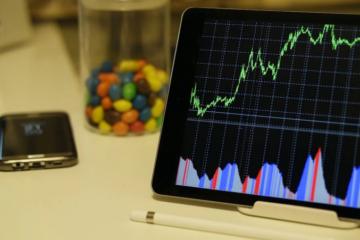
This month is where many financial slip-ups quietly take root. The damage rarely feels dramatic at first. It sneaks in through habits, assumptions, and rushed decisions made while motivation is still running on fumes. This is the month where money mistakes wear slippers instead of sirens. Most people think financial trouble comes from big mistakes. In reality, January issues usually come from small choices repeated daily. Skip one review here. Delay one payment there. By the time February arrives, the math feels heavier than expected. That slow buildup is what catches people off guard. Let’s talk about the missteps that cause that slide and why they matter more than they look.
Ignoring the Holiday Spending Hangover
After December, many people avoid checking their numbers. Statements feel uncomfortable, so they stay unopened. This avoidance creates a fog where spending continues without context. Bills still arrive even when you pretend they do not exist. Silence does not stop the clock. Ignoring the aftermath delays recovery. Interest keeps ticking. Balances quietly grow. Facing the damage early limits how far it spreads. January rewards honesty more than optimism. A quick review now beats months of guessing later.
Setting Overly Aggressive Money Goals
January goal-setting energy can be wild. Pay off all debt. Save half your income. Never spend on fun again. These goals sound strong, but often collapse under normal life pressure. Motivation fades faster than expected. Unrealistic targets create burnout. Miss one week, and the whole plan feels broken. Smaller goals survive busy schedules and bad moods. Sustainable beats impressive every time. Progress likes patience, not pressure.
Treating January Like a Normal Spending Month

January is not a regular month financially. Bills from December often show up late. Annual subscriptions renew. Credit card statements reflect last month’s choices. Spending like nothing changed creates an imbalance fast. The math simply does not line up. This month needs caution, not autopilot. Extra awareness helps cash flow settle. Slowing down spending gives income time to catch up. Think of January as a financial landing, not a fresh sprint. Soft steps now prevent hard stops later.
Leaning Too Hard on Credit to Feel Normal
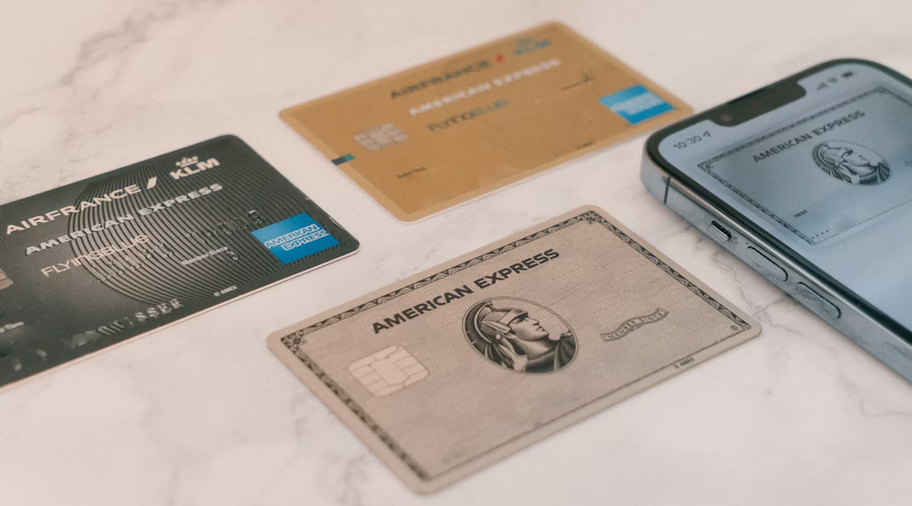
After heavy holiday spending, credit cards can feel like a safety net. Swiping keeps life feeling smooth while cash stays tight. That comfort is temporary and expensive. Interest turns convenience into weight. The bill always circles back. Using credit to maintain habits delays adjustment. It hides the signal that spending needs a reset. January is the moment to recalibrate lifestyle, not mask strain. Short discomfort beats long regret. Credit should bridge gaps, not build walls.
Skipping a Simple Financial Reset
Many people wait for the “perfect” system before making changes. New apps. New spreadsheets. New rules. Meanwhile, nothing actually shifts. Progress does not need a grand setup. It needs movement. A basic reset works better. Review income. List expenses. Pick one improvement. January responds well to simplicity.
Small actions taken early change the whole year’s direction. Momentum starts with clarity. January does not ruin finances on its own. It simply reveals habits built earlier. The month amplifies what already exists. Good habits stabilize quickly. Weak ones wobble. Awareness acts like a flashlight in a dark room.